
海外月嫂需求量大 “涉外”月嫂苦练英语 漂洋过海带娃入乡随俗 High demand for nannies abroad: "International" nannies dil
-
 德州月子中心(会所)说
私信
德州月子中心(会所)说
私信
-
涉外月嫂、育儿嫂的需求量越来越大
“我必须要回趟老家去办个护照了。”近日,在北京服务的月嫂朱红想回老家办理护照,以备随时可能到来的工作机会。由于此前没有办好护照,她不得不推掉了一个在美国居住家庭的服务邀请。
如今,随着美国移民以及赴海外生子的家庭增多,“涉外”月嫂、育儿嫂的需求量也越来越大。与在国内家庭服务相比,那些“涉外”月嫂薪酬“含金量”更高,有的甚至比国内家庭翻倍。由于海外家庭对于月嫂、育儿嫂的技能、英语要求更高,不少想要“涉外”掘金的月嫂已经捧起英语书开始练习口语了。
The demand for nannies and caregivers for international families is growing.
"I have to go back to my hometown to get a passport," said Zhu Hong, a nanny working in Beijing, who recently wanted to return to her hometown to apply for a passport in preparation for potential job opportunities abroad. Because she hadn't obtained a passport previously, she had to turn down a service offer from a family living in the United States.
Nowadays, with the increasing number of families immigrating to the US and having children abroad, the demand for nannies and caregivers for international families is growing. Compared to domestic family services, the salaries for these "international" nannies are significantly higher, sometimes even double that of their domestic counterparts. Because overseas families have higher requirements for the skills and English proficiency of nannies and caregivers, many nannies hoping to capitalize on this "international" market have started studying English and practicing their speaking skills.

出国生二胎月嫂跟随
月嫂朱红去年为一个涉外家庭做服务。这一家女主人是大学老师,男主人常年在加拿大工作。还在月子里时,他们就已经计划过两年生第二个孩子了,并且准备直接飞到加拿大去生。由于服务细心周到,女主人特别信任朱红,决定生二胎的时候带她一起去加拿大。热心的夫妻俩不但催着她回家办护照,还拿出英语读本让她从音标开始练习口语。
起初,朱红并没有在意这件事情,从这家下户后也没有再多想。不过,她开始发现,这两年她所服务的家政公司不断有人到海外做月嫂,薪酬都十分可观。出国务工的月嫂,既开了眼界,回来以后这段经历也成为了个人资历,为找工作提高了身价。
不久前,公司请她去美国为一个华人家庭做月子服务,工作26天薪酬为5万人民币,是她在国内的两倍。可惜的是由于护照没有准备好,她错失了这次高薪工作机会。
Overseas Birth of Second Child: Nanny Accompanies the Family
Zhu Hong, a nanny, provided services to an expatriate family last year. The wife was a university professor, and the husband worked in Canada. Even while the wife was still recovering from childbirth, they had already planned to have a second child in two years and intended to fly to Canada for the birth. Due to Zhu Hong's attentive and meticulous service, the wife trusted her completely and decided to take her to Canada for the second birth. The enthusiastic couple even urged her to get her passport and gave her English textbooks to practice speaking, starting with phonetics.
Initially, Zhu Hong didn't pay much attention to this matter, and she didn't think about it much after finishing her service with that family. However, she began to notice that in the past two years, many nannies from her domestic service company had gone overseas for work, earning very substantial salaries. Working overseas not only broadened their horizons but also enhanced their resumes, increasing their value in the job market upon their return.
Recently, the company offered her a job providing postpartum care for a Chinese family in the United States. The job was for 26 days with a salary of 50,000 RMB, double her usual domestic salary. Unfortunately, because her passport wasn't ready, she missed this high-paying opportunity.

海外月嫂需求量大
在美国,大大小小的月子中心为数不少,特别是华人居多的洛杉矶,月子中心遍地开花。随着产妇增多,需求量也水涨船高。北京家政市场一位负责人告诉记者,无论是当地华人家庭还是出国人员,都习惯用国内的月嫂。因为国内月嫂在护理观念上、生活习惯上都与他们更接近,又会做中餐,平日沟通起来没有障碍。
据了解,目前外派月嫂、育儿嫂的月薪一般在3.5万至5.5万元人民币之间,薪酬按照干活的内容不同而不同。相比美国当地人工成本,国内月嫂的薪酬对华人家庭来说也更为划算。
High Demand for Postpartum Caregivers Overseas
In the United States, there are numerous maternity centers, especially in Los Angeles, where there is a large Chinese population. With the increasing number of new mothers, the demand for postpartum caregivers has also risen. A representative from a Beijing domestic service agency told reporters that both local Chinese families and those who have moved abroad prefer to hire postpartum caregivers from China. This is because Chinese caregivers have similar care philosophies and lifestyles, and they can cook Chinese food, making communication easier.
It is understood that the monthly salary for overseas postpartum and infant care providers generally ranges from 35,000 to 55,000 RMB, with the salary varying depending on the scope of work. Compared to the cost of local labor in the United States, the salaries of Chinese postpartum caregivers are more cost-effective for Chinese families.

育儿嫂入乡随俗
49岁的月嫂熊林华有过一段在海外带娃的经历,这一直是她职业生活中引以为傲的事情。几年前,熊林华为一个外交官家庭做月嫂,孩子刚刚满月,外交官夫妇就被双双派驻阿联酋工作,熊林华也跟着一起过去帮忙了。
刚刚到阿联酋的首都阿布扎比,熊林华花了一段时间适应海外的生活。虽说服务的是中国家庭,平时用母语交流,可是出门在外买菜、遛弯也要和当地人打交道,英语交流是必不可少的。这三年里,她的英语口语也因此有了很大提高。所幸的是,她遇到了不少好心人,当地人看到她一个中国人推着婴儿车,都会主动帮她开门、按电梯,语速慢下来和她交流,这让她在人生地不熟的工作环境里感受到了善意。
在海外服务,生活习惯上也和在国内不同。当地是穆斯林国家,超市里以牛羊肉为主,主食也以面包居多。特别是水,十分珍贵,喝的都是进口瓶装水,自来水管子里的水只能清洁用。不过在华人超市里,如豆腐、香菇、酱油等中国的食材都可以买到,也能让外交官一家吃上家乡饭。善于社交的夫妇俩请客,经常将当地朋友叫到家里吃饭。红烧鸡翅、油焖大虾等中国菜让外国朋友吃得津津有味。“他们常夸我做菜好吃,没吃完的还要打包回家。”熊林华很得意自己的手艺被外国朋友欣赏。
在阿联酋做育儿嫂也有特殊的地方,比如当地平均气温都接近40℃了,只能早上5点至6点、晚上7点至8点这两个时段出门。由于天气炎热,喂孩子喝水也要比国内更多一些。晚上10点之后,一家人经常去海边散步消暑。假期里,熊林华也跟着这家人到迪拜去游览,见识到了许多金光闪闪的高楼大厦。这段经历让她一直回味不已。
Nanny Adapts to Local Customs Abroad
49-year-old nanny Xiong Linhua has experience working abroad, a fact she's always been proud of. A few years ago, Xiong Linhua worked as a nanny for a diplomat's family. The baby was just one month old when the diplomat couple was assigned to work in the UAE, and Xiong Linhua went with them to help.
Upon arriving in Abu Dhabi, the capital of the UAE, Xiong Linhua spent some time adjusting to life abroad. Although she was serving a Chinese family and communicating in her native language, she still needed to interact with locals when buying groceries or going for walks, making English communication essential. Over the three years she was there, her English speaking skills improved significantly. Fortunately, she encountered many kind people. Locals would often help her open doors and press elevator buttons when they saw her pushing a stroller, and they would speak slowly to her, making her feel welcome in an unfamiliar environment.
Working abroad also meant adapting to different lifestyles. The UAE is a Muslim country, so supermarkets mainly sell beef and lamb, and bread is the staple food. Water, in particular, is very precious; only imported bottled water is used for drinking, and tap water is only for cleaning. However, Chinese ingredients such as tofu, mushrooms, and soy sauce could be bought at Chinese supermarkets, allowing the diplomat family to enjoy familiar home-cooked meals. The sociable couple often invited local friends over for dinner. Chinese dishes like braised chicken wings and stir-fried prawns were a hit with their foreign friends. "They often praised my cooking, and even took leftovers home," Xiong Linhua proudly recalled, pleased that her cooking skills were appreciated by her foreign friends.
Working as a nanny in the UAE also had its unique aspects. For example, the average temperature there is close to 40℃, so they could only go out during two time slots: 5 to 6 a.m. and 7 to 8 p.m. Due to the hot weather, the baby needed to drink more water than in China. After 10 p.m., the family often went for walks along the beach to cool off. During holidays, Xiong Linhua also traveled with the family to Dubai, where she saw many glittering skyscrapers. This experience remains a cherished memory for her.
涉外月嫂要过几道关
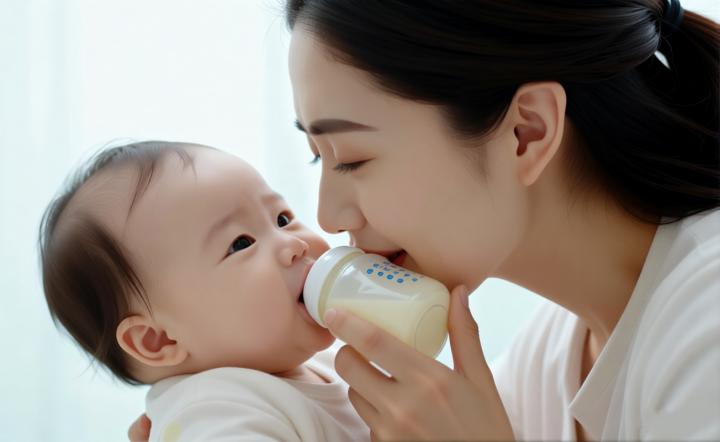
要想出国做月嫂拿高薪,其实也不是那么简单。所有报名想去的月嫂,必须经过涉外家政公司的严格筛选,掌握一定技能。
除了育儿证外,月嫂们也热衷于去积极考证,比如高级母婴护理证、高级催乳师证、产后康复证以及营养师证等。虽然,很多国外当地母婴部门并不一定认可在中国国内考的证件,但技多不压身,在越洋面试中,也提高了竞争力。
中国家庭服务业协会副会长、管家帮董事长傅彦生告诉记者,目前海外对中国月嫂需求量比前几年增长好几倍。在技能要求方面,国外的需求与国内也有一定不同。育儿经验自不必说,到国外的月嫂要求有一个较好的团队支撑,以确保应对月子里可能出现的紧急情况。虽说都是华人家庭,但英语基本口语一定要过关,起码在签证的时候不会被拒签。另外,在国外也需要交流,至少能应对紧急情况,可以拨打急救和报警电话。
此外,国外和国内坐月子的观念不一样,生活环境、医疗环境不一样,对月嫂来说,必须有较强的适应能力。以做饭的食材为例,国内坐月子讲究喝活鲫鱼汤下奶,但是好多国家是不吃鲫鱼的,又不能携带出国。只好在国外就地取材找一些替代品。这就要求涉外月嫂有独立工作和解决问题的能力。
Overseas Nannies Must Pass Several Hurdles
Becoming a high-earning nanny abroad isn't as simple as it seems. All applicants must undergo rigorous screening by international domestic service agencies and possess certain skills.
Besides childcare certificates, nannies are also keen to obtain other certifications, such as advanced maternal and infant care certificates, advanced lactation consultant certificates, postpartum rehabilitation certificates, and nutritionist certificates. Although many overseas maternal and infant departments may not necessarily recognize certificates obtained in China, having more skills is always beneficial and increases competitiveness during overseas interviews.
Fu Yansheng, Vice President of the China Family Service Association and Chairman of Guanjia Bang, told reporters that the demand for Chinese nannies overseas has increased several times compared to previous years. In terms of skill requirements, overseas demand differs somewhat from domestic demand. While childcare experience is essential, nannies going abroad need strong team support to ensure they can handle potential emergencies during the postpartum period. Although they will be working for Chinese families, basic English conversational skills are a must, at least to avoid visa rejection. Furthermore, communication is necessary abroad, at least to handle emergencies and make emergency calls.
In addition, the concepts of postpartum care, living environment, and medical environment differ between China and other countries. Therefore, nannies must have strong adaptability. For example, in China, postpartum mothers often drink live crucian carp soup to promote lactation, but many countries don't consume crucian carp, and it cannot be taken abroad. They have to find substitutes locally. This requires overseas nannies to have the ability to work independently and solve problems.
家政渐成终身职业
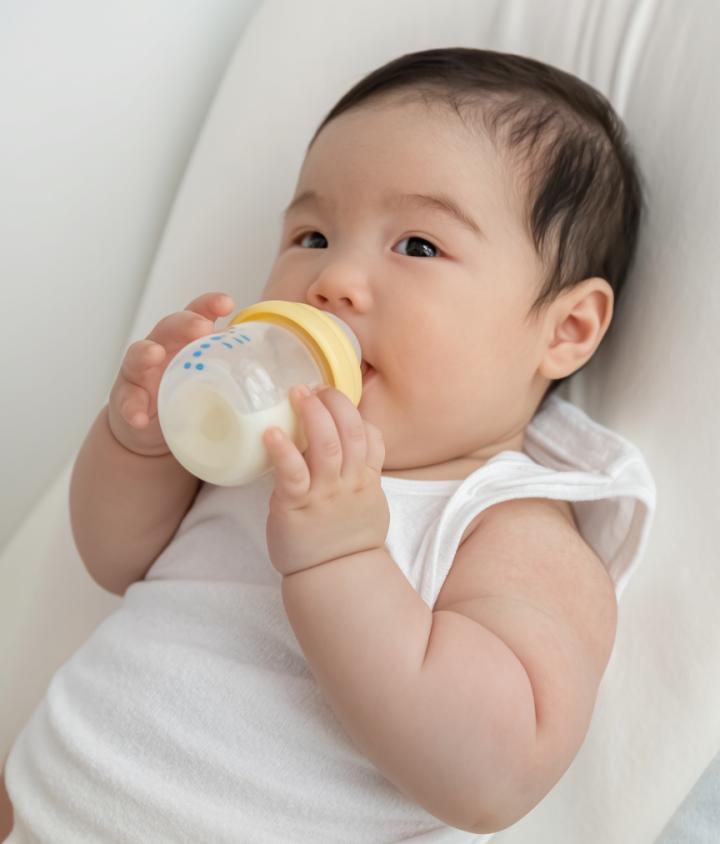
“以前月嫂等家政服务人员被认为是低端劳务,现在国外对养老护理、婴儿护理等人员的技能要求很多。月嫂属于高端技能行业。” 管家帮董事长傅彦生刚刚从加拿大考察家政劳务市场回来,他发现,当地由于需求量巨大,对家政服务人员给予了宽松的条件。相对其他劳务人员,月嫂进入当地以正规合同工作两年之后,拿绿卡的机会更大,有的甚至可以入籍。
在加拿大,顺产的产妇从宝宝出生到出院就18个小时,剖宫产的产妇在医院也只待25个小时。每天早上和下午,月嫂都会和产妇一起,推着宝宝出去散步。加拿大的冬天很冷,室内一般都控制在22℃到25℃,所以宝宝穿得都很少。这些都需要中国月嫂过去后重新学习认识。
“在国外,与菲佣相比,中国的月嫂、育儿嫂和家政人员有自己的优势。”傅彦生告诉记者,菲佣将家务劳动做成了专业,从培训到终身学习都是不间断的,可以从20岁一直做到60岁。中国的月嫂和保姆相比菲佣的家务能力,在照顾产妇、小婴儿以及老人护理方面更有优势,也可以成为终身职业。目前,已经有越来越多的年轻人甚至大学毕业生开始加入到家政服务的行列里。这些年轻人素质高、有英语基础,会电子化生活,更容易与海外家庭融合。
记者了解到,想越洋当月嫂至少要在国内有正式学校的培训证书以及相应的岗位资格证书。
虽然国内关于产后护理的各种证书很多,但是在国外,当地部门并不认可。如果到美国、加拿大等地长期务工,还需要考取当地的一些证书。
另外,月嫂出国务工不能持旅游签证,要持有劳务工作签证。由于目前中国月嫂与国外家庭都是个人签约,不是与海外公司签约,在申请务工签证上还有待更为宽松。
Domestic Service is Gradually Becoming a Lifelong Career
"Previously, domestic service workers such as postpartum caregivers were considered low-skilled labor. Now, overseas countries have many skill requirements for personnel in elderly care and infant care. Postpartum caregiving is considered a high-skilled industry." Fu Yansheng, Chairman of Guanjia Bang, recently returned from a trip to Canada to investigate the domestic service labor market. He found that due to the huge demand, local authorities offered lenient conditions for domestic service workers. Compared to other laborers, postpartum caregivers have a greater chance of obtaining a green card after working under a formal contract for two years, and some can even become citizens.
In Canada, mothers who have a natural birth are discharged from the hospital only 18 hours after the baby is born, and those who have a cesarean section only stay in the hospital for 25 hours. Every morning and afternoon, the postpartum caregiver and the mother go for a walk with the baby. Canadian winters are very cold, and the indoor temperature is generally controlled between 22℃ and 25℃, so babies wear very little clothing. Chinese postpartum caregivers need to learn and adapt to these practices.
"Compared to Filipino domestic workers, Chinese postpartum caregivers, nannies, and domestic workers have their own advantages," Fu Yansheng told reporters. Filipino domestic workers have professionalized domestic work, with continuous training and lifelong learning, allowing them to work from age 20 to 60. Compared to Filipino domestic workers' housekeeping skills, Chinese postpartum caregivers and nannies have advantages in caring for mothers, infants, and the elderly, and this can also become a lifelong career. Currently, more and more young people, even university graduates, are joining the ranks of domestic service. These young people are highly qualified, have a basic understanding of English, and are familiar with digital life, making it easier for them to integrate into overseas families.
The reporter learned that to work as a postpartum caregiver overseas, one must have a formal training certificate from a recognized institution in China and the corresponding professional qualification certificates.
Although there are many certificates for postpartum care in China, these are not recognized by local authorities abroad. If working long-term in the United States, Canada, or other countries, one needs to obtain local certificates.
In addition, postpartum caregivers working overseas cannot use tourist visas; they must hold work visas. Since Chinese postpartum caregivers currently sign individual contracts with overseas families, rather than with overseas companies, there is still room for improvement in making the work visa application process more flexible.
- 展开阅读全文
- 赞 收藏 阅读 2026-01-24
-
德州月子中心(会所)说
私信
相关推荐
-
 赴美生子安心指南:如何在美国找到一位靠谱的好月嫂 A reassuring guide for giving birth in the US: How to find a reliable and c
在美国找月嫂,建议优先选择正规的家政服务平台或中介机构,例如爱心宝贝国际家政这类专业机构。如果希望自己寻找,可以通过搜索引擎按地区和语言关键词进行查找
-
 美国湾区月嫂推荐 | 遇见王阿姨:一位暖心专业母婴护理师的故事 Recommended Nanny in the San Francisco Bay Area | Meet Aunt Wang: Th
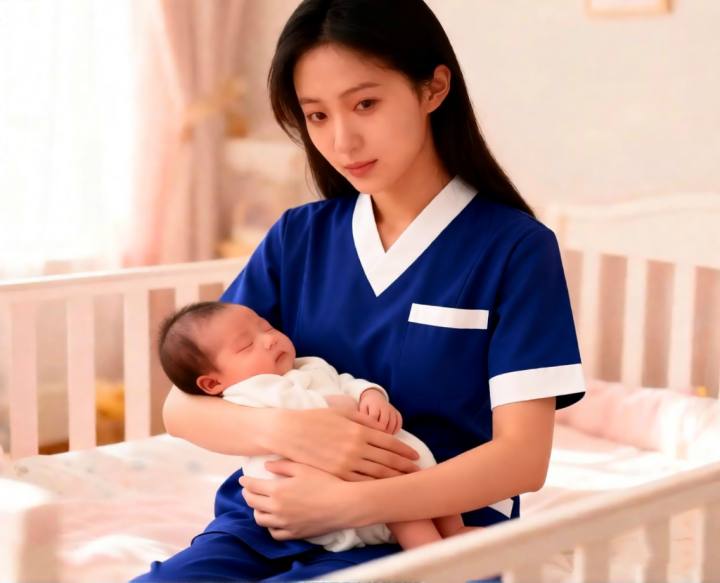
作为本地专业的家政服务机构,我们很高兴向各位新手父母推荐团队中备受好评的月嫂——王阿姨。这位在旧金山湾区拥有12年丰富经验的母婴护理师,曾在国内、新加坡
-
 身在海外请月嫂?全网最全避坑指南(美/加/英/澳/日/欧盟/新马泰 Hiring a postpartum nanny overseas? The most comprehensive guide t
无论您身处北美、欧洲还是亚太,在您下定金之前,这份融合了多地经验的“全球请月嫂避坑指南”,或许能帮到您。海外请月嫂,本质是一次小型招聘。做好背景调查、
-
 因为月嫂,我在妈圈出名了,洛杉矶的这家公司太好了 Thanks to my postpartum caregiver, I've become famous in my mom's
自从我在洛杉矶孕妈微信群里分享了爱心妈妈的月嫂服务,我就成了“妈圈红人”!好多孕妈私信问我经验,今天就好好夸一夸~从签合同到服务全程,没有中间商,流程清
-
 做“涉外月嫂”要经过怎么样的考验才可以?What kind of tests and qualifications are required to become an "internatio
近几年出国保姆、涉外月嫂十分火热,甚至很多的年轻人已经转行开始做涉外保姆,打算去美国做涉外月嫂!但是要想出国做月嫂拿高薪,其实也不是那么简单。所有报名
 0 评论
0 评论  洛杉矶爱心月子中心说
最新发布评论
推荐作者
-
+关注
德州月子中心(会所)说
写12文章·22喜欢
-
 +关注
纽约法拉盛月子中心(会所)说
+关注
纽约法拉盛月子中心(会所)说
写17文章·19喜欢
-
 +关注
旧金山招聘保姆网
+关注
旧金山招聘保姆网
写22文章·41喜欢
-
 +关注
纽约招聘保姆网
+关注
纽约招聘保姆网
写21文章·49喜欢
-
 +关注
洛杉矶保姆应聘公司
+关注
洛杉矶保姆应聘公司
写23文章·87喜欢